Patient Portal Use Associated with 21 Million Fewer Visit No-Shows in 2024
Research by Epic Research. Patients who use MyChart are making it to their appointments more often than those who don’t. Slowly but surely patients are becoming more and more accustomed to check-in in every possible way.
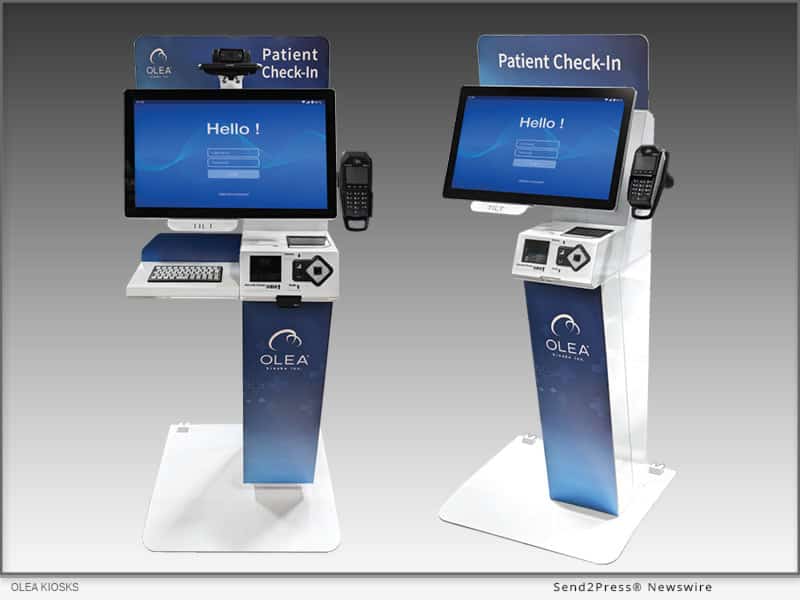
Typical 2025 patient kiosk — Olea Kiosks
A new study from Epic Research found that patient portal use was associated with 21 million fewer no-show appointments in 2024. Patients who used MyChart were more likely to attend scheduled visits across specialties, age groups, and appointment types.
Fewer no-shows mean more timely care, better outcomes, and greater efficiency for health systems.
Key Findings
- Patients with an active patient portal account at the time of scheduling their appointment were 21.5% less likely to no-show than those without an account, with a no-show rate of 6.2% for those with a patient portal account compared to 7.9% for those without.
- The greatest difference was seen among patients aged 50–64, with users having a 6.2% no-show rate compared to 8.7% of non-users.
These data come from summarized metrics of organizations that use the Epic EHR to provide direct patient care. This study was completed by two teams that worked independently, each composed of a clinician and research scientists. The two teams came to similar conclusions. Graphics by Brian Olson.
References
- Carini E, Villani L, Pezzullo AM, et al. The Impact of Digital Patient Portals on Health Outcomes, System Efficiency, and Patient Attitudes: Updated Systematic Literature Review. J Med Internet Res. 2021;23(9):e26189. Published 2021 Sep 8. doi:10.2196/26189
Data Definitions
